Donate Now

Case Study: Successful Yoga Prana Vidya (YPV) Intervention in Treating Visual Hallucinations in an Elderly Patient
Case Study: Successful Yoga Prana Vidya (YPV) Intervention in Treating Visual Hallucinations in an Elderly Patient
Publication: International Journal of Advanced Multidisciplinary Research and Studies
Article link: https://www.multiresearchjournal.com/arclist/list-2026.6.5/id-6976.
Authors:
Chithra Kolandaisamy
(Senior YPV Trainer & Certified YPV Healer, Erode, Tamil Nadu, India)
Srisuja Chode
YPV Trainer and Certified Healer, Bengaluru, India
Venkata Satyanarayana Nanduri
(Consultant, Research & Publications, YPV Ashram, Sri Ramana Trust, Thally-635118, Tamil Nadu, India)
Abstract :
Abstract Overview
Background: Visual hallucinations are distressing symptoms often associated with neurological and psychiatric conditions, particularly in elderly patients with comorbidities such as Parkinson’s disease, chronic kidney disease, and cardiovascular dysfunction.
Case Presentation: An 84-year-old male presented with severe visual and tactile hallucinations of “creepy-crawlies,” accompanied by contamination anxiety and compulsive washing and bathing. His medical history included diabetes, chronic kidney disease, atrial fibrillation, severe left ventricular dysfunction, and Parkinson’s disease. Despite extensive hospital-based pharmacological management including sedatives and antipsychotics, the hallucinations persisted until the YPV intervention was initiated.
Intervention: The patient received regular YPV healing sessions over a total 30-day period. Protocols included standard YPV psychotherapy, cleansing and energizing of minor chakras (temple, forehead, back-head) with brilliant violet energy, an infection protocol, etheric, emotional, and mental shielding, cord cutting, programming of diversion targets, and regular salt baths. Healing was administered twice daily for four days, then daily for 15 days, and followed by alternate-day sessions for 11 days, with each session lasting 15-20 minutes.
Results:
* A progressive reduction in hallucination complaints was observed within the first week of treatment.
* By day 20, the patient completely stopped reporting hallucinations.
* Agitation subsided, sleep patterns improved, and the compulsive washing and bathing behaviors ceased entirely.
* Follow-up at three months confirmed sustained improvement, with normalized sleep patterns and a complete absence of hallucinations.
Conclusion: YPV intervention facilitated the complete resolution of visual hallucinations in an elderly patient with complex comorbidities, achieving sustained improvement without pharmacological escalation. This case highlights the potential of YPV as an integrative, adjunctive therapy for managing complex neuropsychiatric symptoms in elderly patients.
YPV Sadhana App
Download YPV Sadhana app to boost immunity, emotional balance and positive attitude towards life.


Yoga Prana Vidya Ashram Sri Ramana Trust Hosur – Thally Main Road Near Ubbanur Lake Thally, Krishnagiri Dist Tamil Nadu – 635118, INDIA
Useful Links
Contacts
GALLERY
Disclaimer :
Yoga Prana Vidya is not intended to replace other forms of healing modalities including allopathy and it is also complementary including alternative.
In case of Severe or Persisting symptoms, refer to a medical doctor and or a Certified Yoga Prana Vidya Healer.
“Currently we do not have any connection / affiliation / association with and are not authorised / represented / endorsed / certified / maintained / sponsored by Master Choa Kok Sui and/or organisations established by the Master and/or subsidiaries / affiliates of such organisations.”
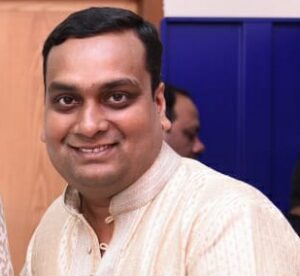 Sh. Arun Kumar a Senior All India Level trainer of the organization, who has been involved in spreading the spiritual technology throughout India for many years. Sh. Arun Kumar, is M.C.A from Sir M. Visvesvaraya Institute of Technology, Bengaluru and worked as Team Lead in Wission Infotech,Bengaluru. However, realizing the amazing benefits of the spiritual technology of the ancient science of Yoga Prana Vidya for common people, he decided to dedicate his life for spreading the teachings of Yoga Prana Vidya since 2009.
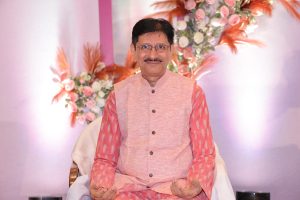
Dhaval Dholakia is a certified YPV healer for 16 years. He is also a mechanical engineer and has worked in Plastic Processing Machinery for 25 years. He resides in Ahmedabad.
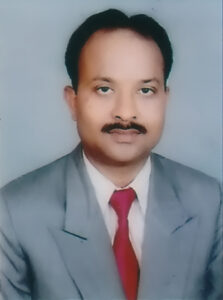
Dr. S. K. Singh is a Arhat Trainer having more than 20 years of YPV healing and teaching experience. He is also trained in Kriyashakti & Fengsui and completed the one year intensive program in 2016. He has organized many higher level YPV training workshops and retreats. He completed his Master’s degree in Science and has a doctorate in Environmental Biology. He hails from Varanasi.
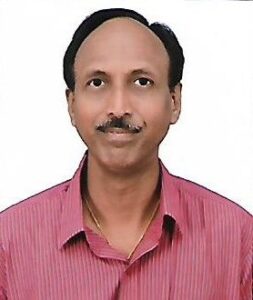 Gp Capt. (Retd) J V Subramanian has been associated with Yoga Prana Vidya since more than 15 years now. He has trained hundreds of healers from Level 1 to Arhat Yogis in last 6 years. He holds B.E (Electricals & Electronics) from Annamalia university and MBA from IIM Lucknow. He is also a trustee of Feed the Soul Trust. based in Vasant Kunj, New Delhi
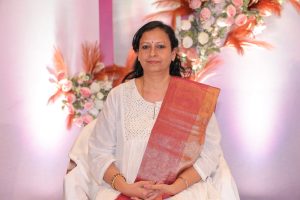
Madhu Sudhir is a senior YPV trainer since 2004. She has trained over 2500 students and more than 50 trainers who are also propagating YPV practices. She has done YPV healing for more than 7000 people since 2006. She is the secretary of the Mysore YPV Healers Association since 2011. She is also associated with JSS University – Dental College as a guest lecturer for “Holistic wellness through YPV” for BDS 1st year students. She has also conducted various seminars on YPV teachings. She graduated in commerce from Bangalore University and also has a diploma in architecture. She also works as a Vaastu consultant for businesses, constructions, plots & houses.
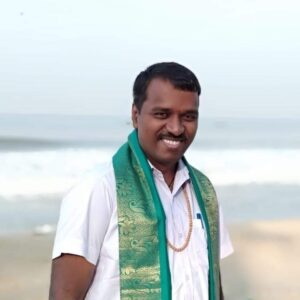
Raghu N is a Arhat Trainer having over 22 years of YPV healing and teaching experience. He founded “Master YPV Trust Nanjangud” in 2019 and conducting regular service activities through this trust in his role as President. He also started the first independently located YPV centre in Nanjangud in 2014. He has previously attended the one year Spiritual Intensive Program for 2015-16 conducted in Sri Ramana Trust Ashram. He also has 7 years of experience working as a secretary at “Mysore YPV Healers Association” during which he nurtured many healers. Raghu conducts teachings in Kannada, English and Hindi languages. He has also completed a B.Sc. and B.Ed. from the Mysore University.
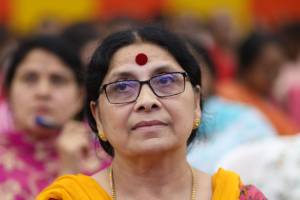 Rekha Subhash is a Arhat Trainer having over 22 years of YPV healing and teaching experience. She has healed patients from different parts of the world and has a high success rate including complicated cases for healing. Rekha also has a Masters of Art degree. She hails from Bengaluru.
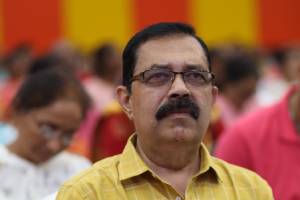 Veteran Wing Commander KT Subash is a Arhat Trainer having over 22 years of YPV healing and teaching experience. He is also the Managing Trustee of the Karnataka Yoga Vidya Pranic Healing Foundation Trust. He has healed patients from different parts of the world and has a high success rate including complicated cases for healing. He has a Masters in Technology degree.
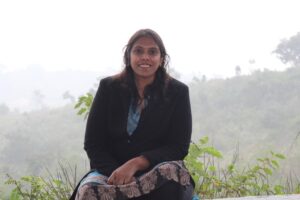
1: Name : Lakhsmi Devi
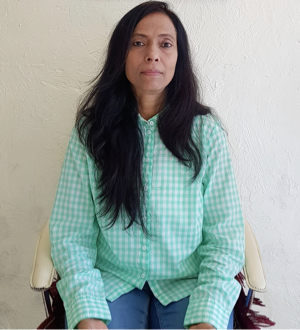 She holds an experience of 20 years in the field of Energy Healing and Meditation. Apart from her proficiency in healing and training, she is also good in singing and playing harmonium and has been a Swimming Champion. She has always excelled at fitness since her school days. She is also a glass designer and deals in glass painting. She is a very efficient Counselor and Yoga practitioner.
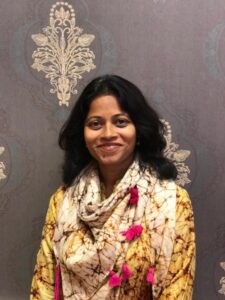
1. Name – Vishakha Karnani
2. address/ centre – 316, Sai Kripa Colony,
Indore 452002, Madhya Pradesh
3. educational qualification – B.A. Loreto College, Kolkata. Then worked as a photo journalist & a freelancer (children photography)
4. any paper presentation – COVID 19 case report in Innovative publication journal. July 2020
5. any specific achievements – part of the organising team in the first SIP , Pune, 2015. Thereafter involved in organising public darshan and Compassionate Parenting and nurturing programs in various cities like Indore, Nagpur, Raipur, Pune, Kolkata and Ichalkaranji (kolhapur)
6. Since 2006. Got introduced to the world of energy in Kolkata and shifted to Indore in 2008 to spread the work in Central India. Currently working in M.P, Chattisgarh, Maharashtra, Rajasthan, North East India.
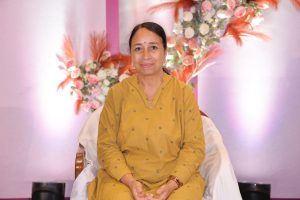
Radha Ganesh is presently working for Yoga Prana Vidya Organization as Senior Arhat trainer and Ethics committee member. She is a Senior Arhat Trainer and certified YPV healer with over 18 years of experience. She completed the one-year spiritual intensive program at the YPV ashram in Thally. She has been trained in basic, advanced healing and psychotherapy at World Pranic Healing. Radha worked in Unnathi Healing Foundation Trust as a healer and trainer. She also worked in MS Ramaiiah Hospital Pranic Healing Department, Ayush Arogya Dhama. She has taught YPV teachings in several schools and also conducted classes for nursing staff, pharma students among others. She regularly conducts an Arhat Marathon on every last Sunday of the month at Karnataka Pranic Healing foundation trust since last 3 years. Radha has completed her M.A. in English from MG University, Kerala.
Yoga Prana Vidya
| Account Name : | Sri Ramana Trust |
| A/C No: | 566438417 |
| Name of Bank: | Indian Bank |
| IFSC Code: | IDIB000T060 |
| Address: | Police Station Road, Thally, Krishnagiri |